
What Is Dust?
Dust is small solid particles of organic or mineral origin, ranging in size from fractions of a micron to 0.1 mm. The dust contains ash, fibres of natural fabrics, paper and synthetic textiles, wool, hair, skin flakes, nail particles, sawdust, food crumbs, glass particles, glue, graphite, polystyrene, fragments of insects (dust mites, cockroaches, silverfish, scabies mites, etc.), oil, plant parts, pollen, fungal spores, sugar and salt crystals, soil particles, minerals, cosmic dust. Approximately 35% of the dust composition accounts for mineral particles, 19% for skin flakes and hair, 12% for textile and paper fibres, 7% for pollen, 3% for soot and smoke particles.
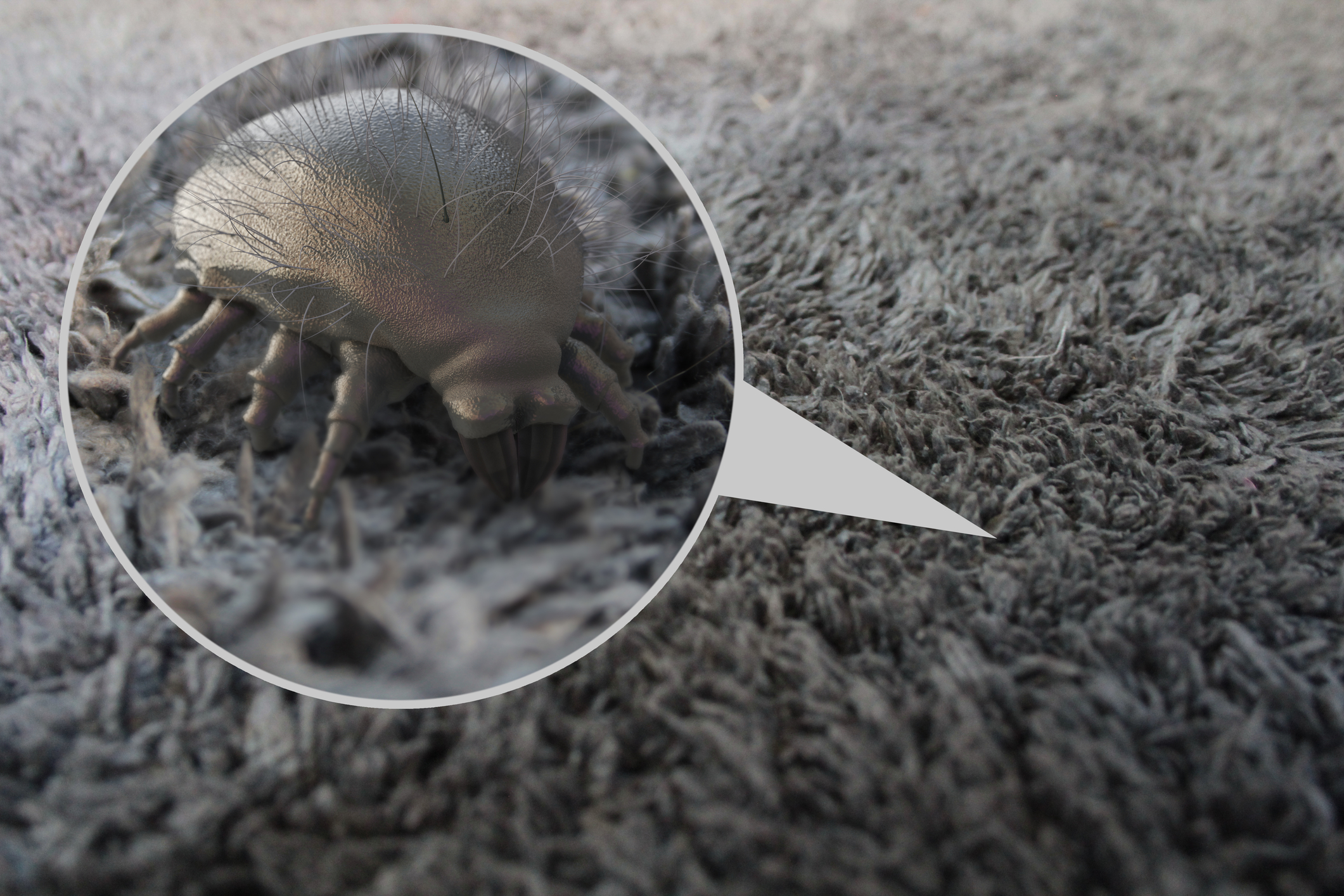
What is the harm of dust in a house or apartment?
1. First of all, dust is unpleasant and unhygienic. When mixed with moisture, dust turns into dirt, which serves as an excellent breeding ground for insects and fungi.
2. Dust circulating in the air creates an uncomfortable atmosphere in our homes. Feelings of "dry" air, unpleasant and "heavy" or "burnt" smell of the air - these are the effects of exposure to dust on the human sense of touch. These sensations have nothing to do with the "burning out" of oxygen by heating devices or the "drying" of the air.
3. Dust is dangerous because it can be a starting factor (trigger) for the occurrence of allergic diseases - from vasomotor rhinitis to bronchial asthma. More precisely, the protein components of the dust are allergens: dried insect particles, their faeces, food debris, skin, hair and hair scales, pollen, and fungal spores. If, when you come home, you start coughing, sneezing, your eyes turn red and watery, your nose "clogs up" and "runs", it becomes difficult to breathe, but all symptoms disappear when you go out into the fresh air to "breathe" - most likely you are allergic for house dust, which is manifested by one or more of the following symptoms:
runny nose, sneezing, asthma, shortness of breath, eczema, itching, stinging, red watery eyes, nasal congestion, itchy nose, sore mouth or throat, mucus dripping down the back of the larynx, cough, swollen face, swelling under the eyes.
Dust allergy symptoms are usually bad with poor ventilation, shaking bedding, stuffed toys, and an increase in room temperature.
Potential dust allergens

The most well-known component of house dust is dust mites. Most people who are allergic to house dust and even bronchial asthma are sensitized (hypersensitive) to tick proteins and their faeces. Dust mites live in mattresses, blankets, pillows, carpets, bedspreads, capes, upholstered furniture, clothes, stuffed toys - wherever there are scales of human skin and space for life. Although the dust mites themselves are small - their size ranges from 0.1 to 0.5 mm, they are quite fertile (one hatch - 60 mites) and are rapidly increasing the population. For example, if you do not change the pillow for 2 years, then 10% of its mass will be dead mites and their faeces. The mattress contains between one and 10 million dust mites. Ideal breeding conditions for mites are temperatures between 18-25°C and relative humidity above 50-55%. Therefore, the first remedies for reducing tick populations in case of allergy to house dust are regular washing of pillows and blankets (once a week) at a temperature of 50-60°C, airing bedding and dry (not humid) and cool air in the bedrooms...
Dust streams indoors
The amount of dust in all houses with similar sanitary and hygienic conditions is approximately equal. However, the amount of dust in the air can really differ due to the type of heating devices. The key point in the sublimation of house dust into the air is the convection process - that is, the circulation of air with dust in the living space. The higher the convection, the more dust in the air. In this regard, convectors of all kinds are the worst options, and systems with minimal convection, such as underfloor heating of any kind, are the best.

Perhaps the most dangerous from the point of view of the constant spread of dust in the house are air heating systems or supply ventilation with numerous air ducts. Over time, a layer of dust is deposited in the air ducts, which serves as a system for the constant sublimation of dust into the home atmosphere of allergens. The worst thing is that usually no one ever cleans the air passages of such heating systems.
But the most common convector-type radiator is also a rather insidious heating device. This heater has numerous flat air ducts in which house dust with all its potential allergens is deposited, accumulated, crushed, and sublimated.
Here is a common convector-type multi-section aluminium radiator in the house. It looks quite clean from the outside: it is regularly wiped on the outside and vacuumed. But inside it is a disaster.
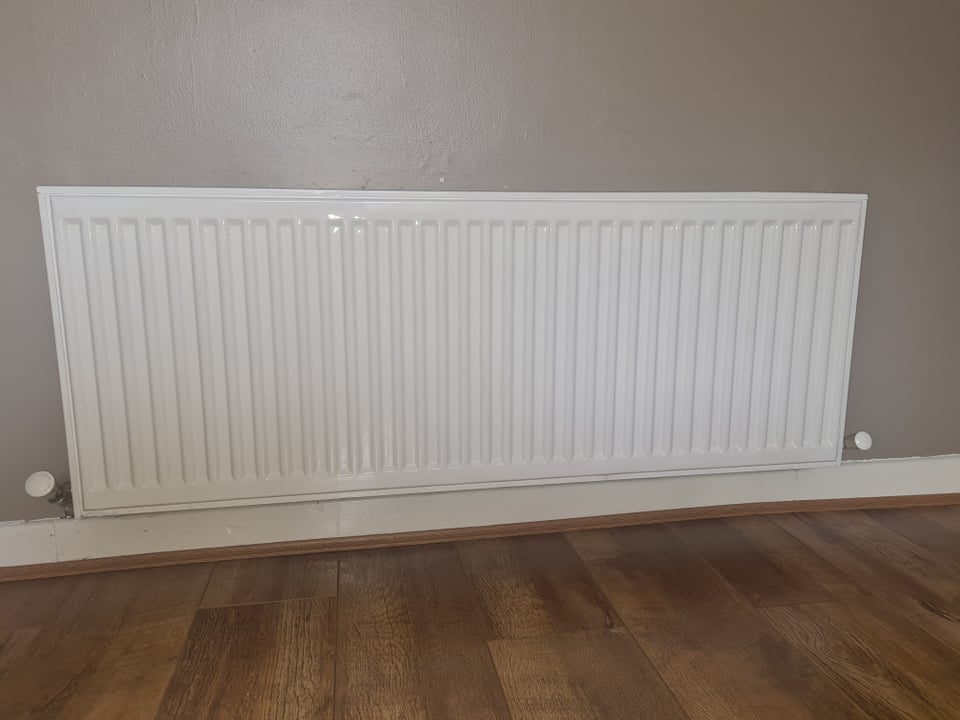

To wash the radiator, I put several towels under it and used a steam cleaner. What began to come out of the outwardly clean radiator of the convector made a strong impression on me.
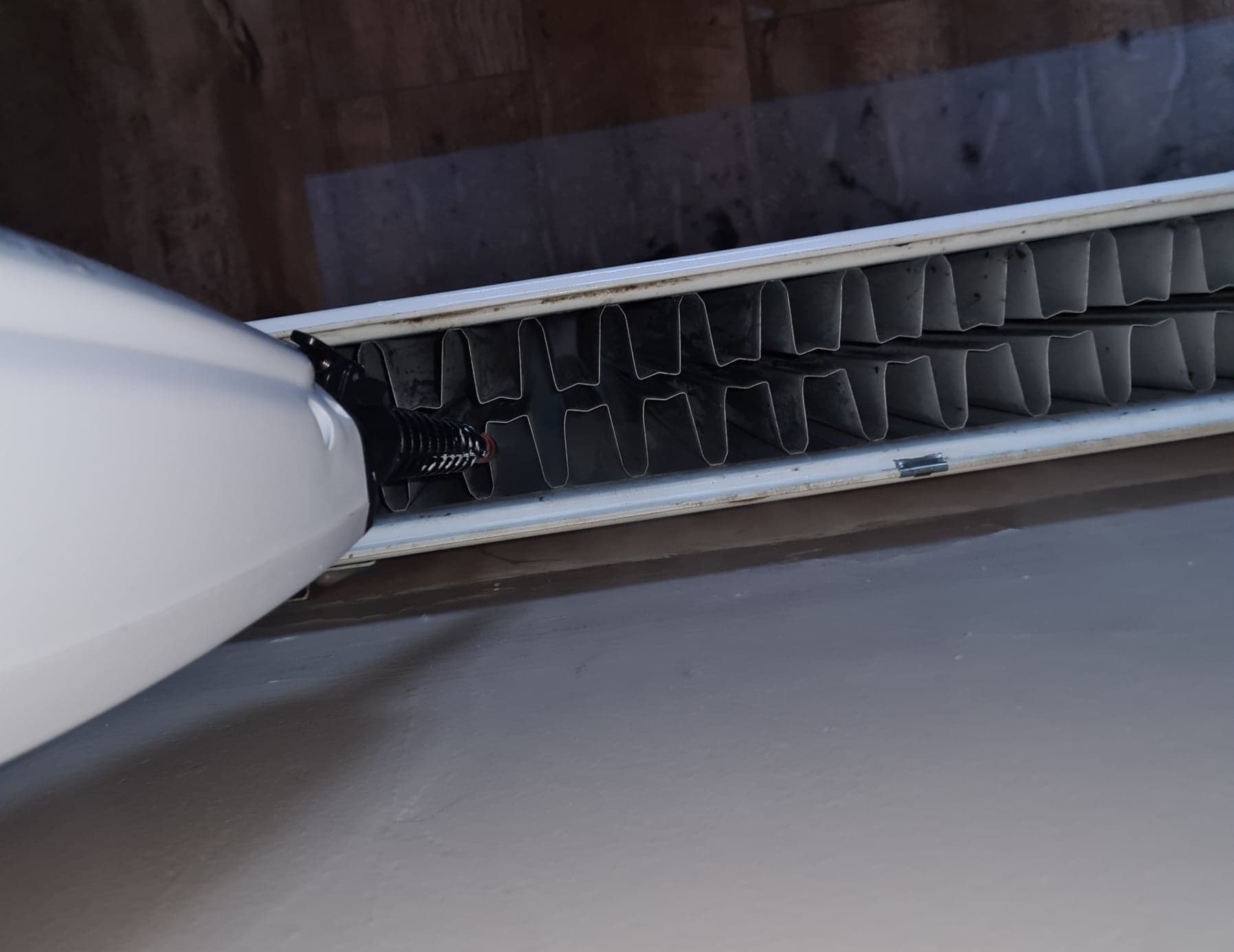
Clouds of dust began to wash out from the air passages of the radiator.

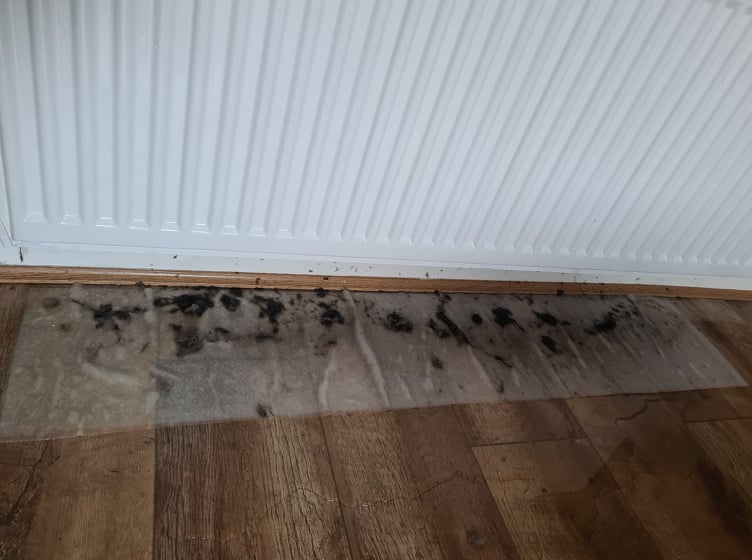
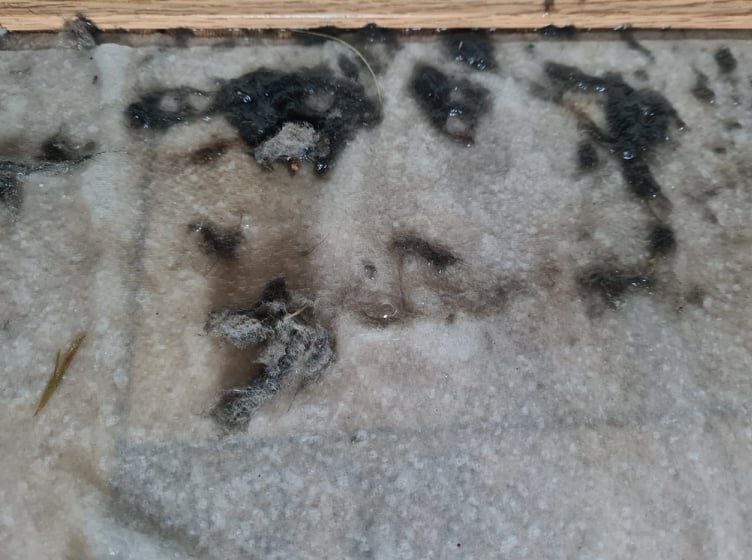
The most interesting thing: after flushing all the radiators in the house and ventilating, the air quality changed instantly: the feeling of "dry" air disappeared. To maintain air quality, I became using an air purifier daily.
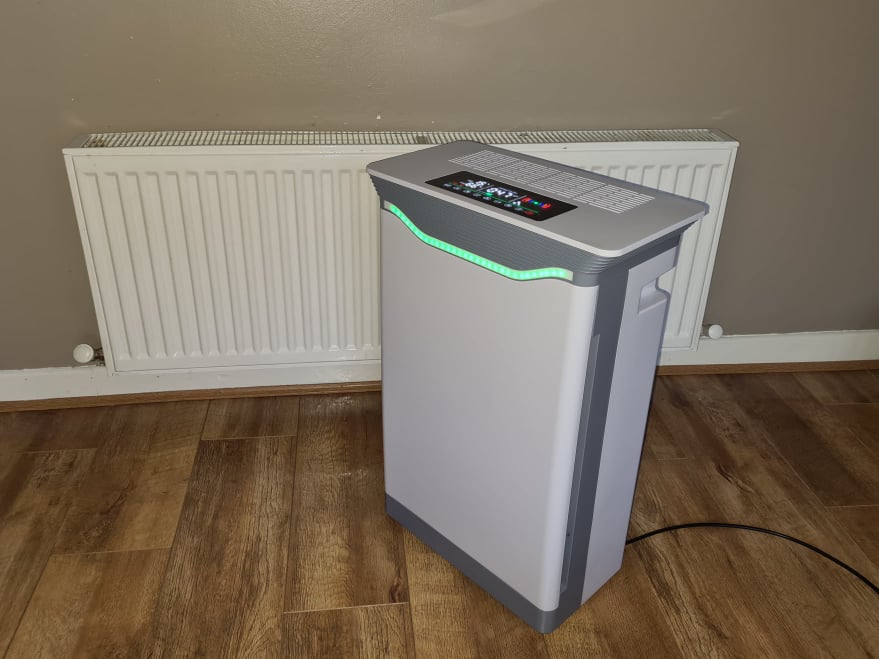
For air purification, it is worth using air purifiers with modern filters with high absorption efficiency HEPA (High Efficiency Particulate Absorption), which can filter out up to 99% of impurities in the air. Conventional filters remove 50 to 70% of impurities. The key to air quality is the constant operation of the air purifier and regular filter replacement.
When the air flow passes through the air purifier (cleaner), harmful microparticles contained in it settle on the filter of the device. A UV lamp can kill up to 99% of microorganisms and literally sterilizes the room.
For an apartment or a house, everyone, without exception, is recommended to use some kind of air purifier. It is the best way to cope with the dust that always present in the air.
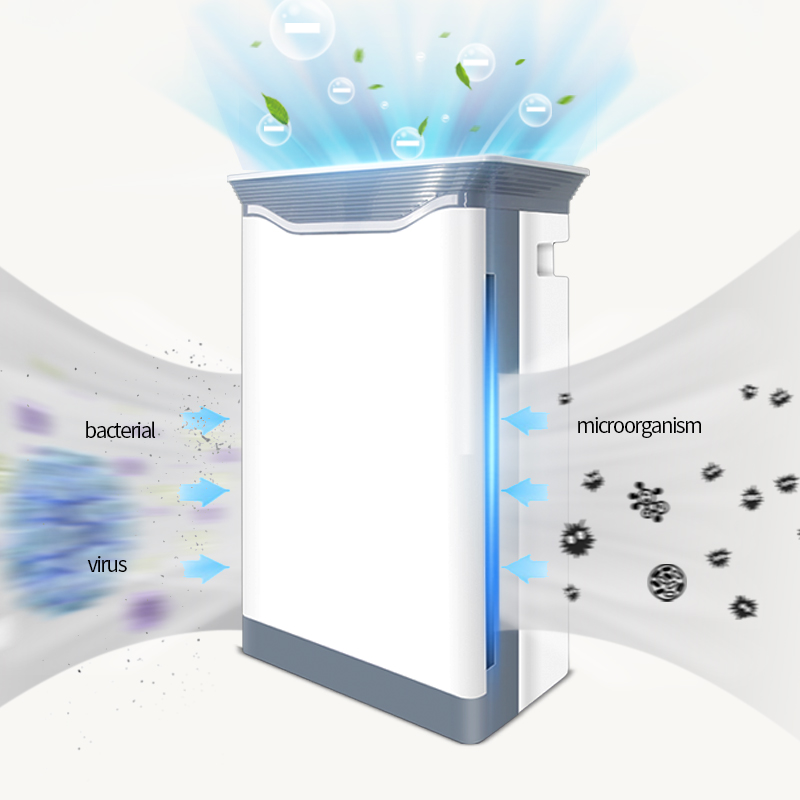
A household air purifier has a set of filters, each of which is characterized by its own special degree of purification, and a fan that draws air from the room into the device. Most models of purifiers are equipped with anti-allergenic charcoal filters that trap almost all carcinogenic particles, allergens, unpleasant odours, and toxins in the apartment. In addition, some devices are equipped with UV light, which destroys bacteria and viruses that enter the HEPA filter, preventing them from multiplying and re-entering the air. It also helps get rid of allergic dust mites, providing the necessary preventive protection for allergy sufferers and asthmatics. The combination of a HEPA filter, UV lamp and photocatalysis is the most effective way to remove fine dust, allergens, viruses, odours, and other hazardous particles.
With the help of these https://airpurestore.ie/product-category/portable/air-purifiers/ devices, the air is simultaneously disinfected, cleaned of organic impurities and ionized.
Tags
dust harm
